
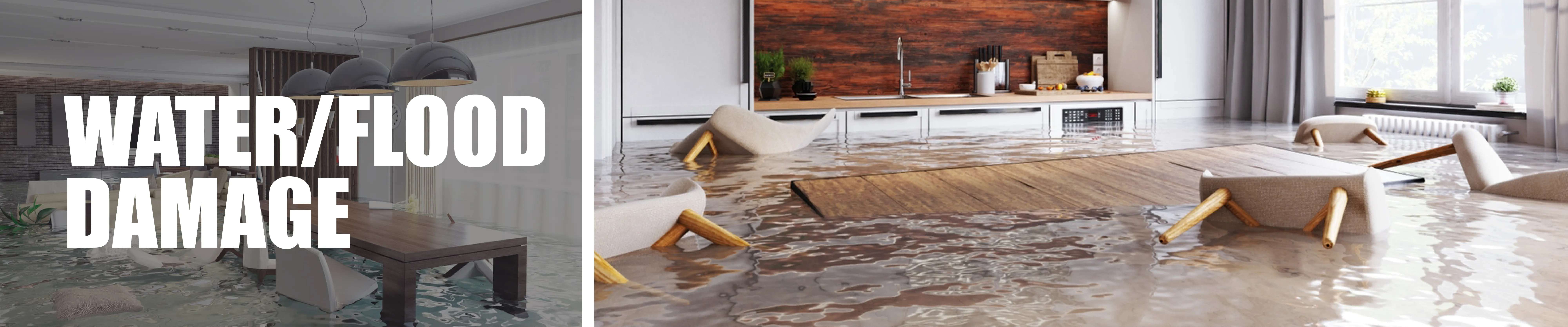
When Water Threatens Your Area Rugs, Carpets and Upholstery in Plum Beach
A sudden leak from a Plum Beach apartment and office radiator, an overflowing bathtub, or the aftermath of a summer storm through an open window can quickly saturate your valuable textiles. When carpets, area rugs, runners, upholstery, furniture, and drapery become waterlogged, the clock starts ticking. The immediate dampness is only the first concern. As moisture seeps into the backing of rugs and deep within sofa cushions, it creates an environment where hidden problems begin to take root. Fibers swell and distort, dyes from intricate Oriental rugs can bleed together, and wood floors underneath the carpet can sustain irreparable harm. Acting quickly is essential not to clean, but to halt a destructive process that permanently alters the texture and structural integrity of your carpets, area rugs, runners, upholstery, furniture, and drapery.
Our water damage response for carpets, area rugs, runners, upholstery, furniture, and drapery is focused on reversing the effects of saturation and stabilizing the materials. The outcome is more than just surface dryness; it is the prevention of long term deterioration like delamination in carpets, dry rot in rug foundations, and persistent mustiness in upholstery padding. By managing the extraction of water and controlling the drying environment, we work to preserve the original color clarity of your area rugs, prevent seams from splitting on your carpet, and keep your fabric sofa from becoming a source of stale odors. This process helps return your pieces to a safe, dry state where they can continue to provide comfort rather than become a hidden liability in your home.
The Steps We Take for Water Damage Mitigation
Our process begins with a rapid assessment and moisture extraction. Every water affected rug, carpet section, or piece of upholstery is evaluated to determine the extent of absorption and the type of water involved. We deploy high powered extraction tools to pull standing water and deep saturation from fibers and padding layers before gravity can cause further migration. After that, we move to our sanitation and drying management phase, where we apply treatments that inhibit microbial development and establish a controlled airflow plan. Finally, we finish with texture restoration and deodorizing to lift the pile, soften stiffened fibers, and neutralize the damp scent that water leaves behind.
Some Interesting Facts
30K+
Water Damaged Pieces Restored
98%
Mold Prevention Success Rate
30
+ Years of Managing Wet Textiles
Our Best Safe, Reliable Water Damage Process
Water Extraction
We remove standing and bound water from carpets, area rugs, runners, upholstery, furniture, and drapery using sub-surface extraction tools.
Sanitizer Application
We apply treatments to combat the onset of odors and microbial activity on wet fibers.
Accelerated Drying
High velocity air movers and dehumidifiers are positioned to dry the core of the material structure.
Fiber Grooming
Once dry, fibers are groomed to reverse the stiff, matted feeling caused by water exposure.
Why Fast Water Damage Response Matters for a Healthy Home
Wet carpets, area rugs, runners, upholstery, furniture, and drapery are not merely an inconvenience. They are a catalyst for a rapid decline in your indoor living quality. Within a short window, the combination of trapped moisture and organic materials like wool, cotton, or jute backing becomes a breeding zone for bacteria and microbial growth. This growth is the primary source of the heavy, stale odor often associated with water damage. Moreover, water acts as a solvent that dissolves the adhesives holding carpet fibers to their backing, a process called delamination. In area rugs, wet foundation threads shrink and warp, causing the corners to curl and the center to buckle permanently. For upholstery, water drives stains from wooden legs into the fabric and collapses internal cushion foam.
Swift and thorough water extraction and drying are the only ways to intercept this chain reaction. Removing the moisture core stops the biological activity that leads to odor and halts the deterioration of adhesives and natural fibers. A properly dried and sanitized carpet or area rug does not just feel better; it actively prevents the musty environment that compromises the air you breathe. This process is fundamental to preserving the investment you have made in your Plum Beach home's and office’s comfort and maintaining a space that feels clean and stable rather than damp and compromised.